The Small City the King of Spain visits annually
You leave with something quieter. I sure did.
TRAVEL
Most travelers come to Spain with a map already decided. Madrid. Barcelona. Seville. The expected rhythm of capital cities, architecture that announces itself, itineraries that move quickly from one landmark to the next.
And then there are the places that rarely make the list.
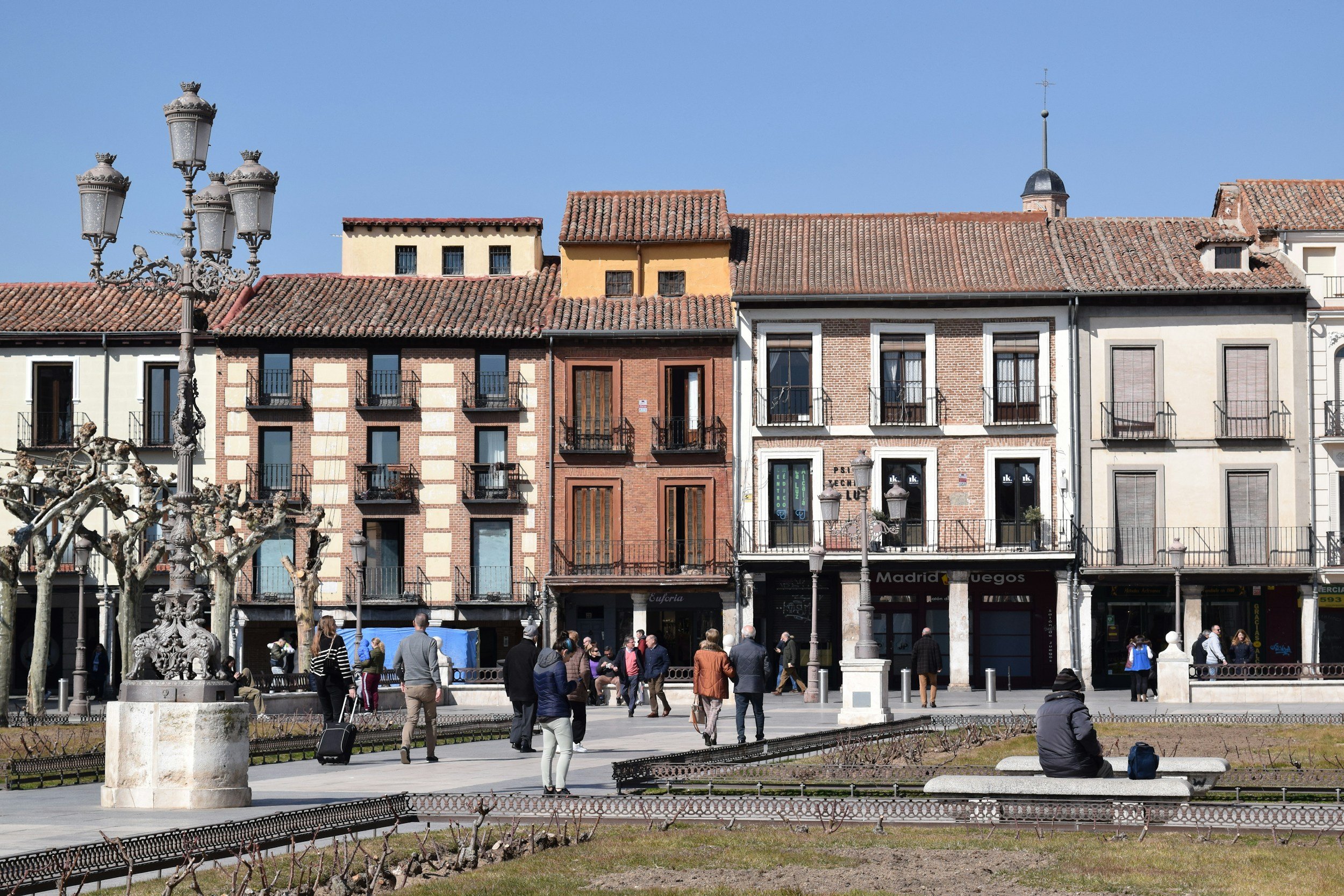
Alcalá de Henares is one of them. A smaller, quieter city about forty minutes east of Madrid, often overlooked in favor of something bigger, louder, easier to recognize.
Yet every year, the King of Spain comes here.
In 2023, King Felipe VI visited Alcalá for the Premio Cervantes, Spain’s most prestigious literary honor, held here annually and attended by the King himself. The ceremony takes place inside a historic university hall, in a city that does not need to announce its importance.
Alcalá does not perform its history. It allows it to exist, quietly and without urgency, which is precisely what makes it feel different.
The first time I came, it barely counted. It was during COVID, and we stopped for dinner for maybe an hour, walking just enough to sense that something was there. The kind of place you register without fully understanding, then leave behind because Madrid is waiting, because the itinerary is full, because you assume you will return.
Most people don’t.
Coming back in 2025 changed that. I lived in Alcalá for three months, from February through April, long enough to move past first impressions and into something more permanent. Not as a visitor passing through, but as someone willing to let the city reveal itself on its own terms.
The distance from Madrid is short, but the shift is immediate. The pace softens. The edges blur. What remains is a city that feels older, quieter and largely uninterested in being consumed.
The streets are narrow, lined with brick and stone that have not been restored for effect. Walking here rarely requires a destination. Cafés stretch into the afternoon, conversations linger, and time feels less structured, less measured. Nothing is rushed, and nothing is trying to impress you.
It is also where Miguel de Cervantes was born, a detail that follows you without overwhelming the city. There are no oversized reminders, no aggressive branding. Just subtle references, a name on a building, a quiet museum, and a sense that writing belongs here not as performance, but as practice.
For someone in storytelling, that distinction matters.
As a journalist, I am used to movement. Deadlines, angles, constant output. Places are often experienced quickly, filtered through what they can offer, what they can become in a headline or a segment.
Alcalá resists that instinct.
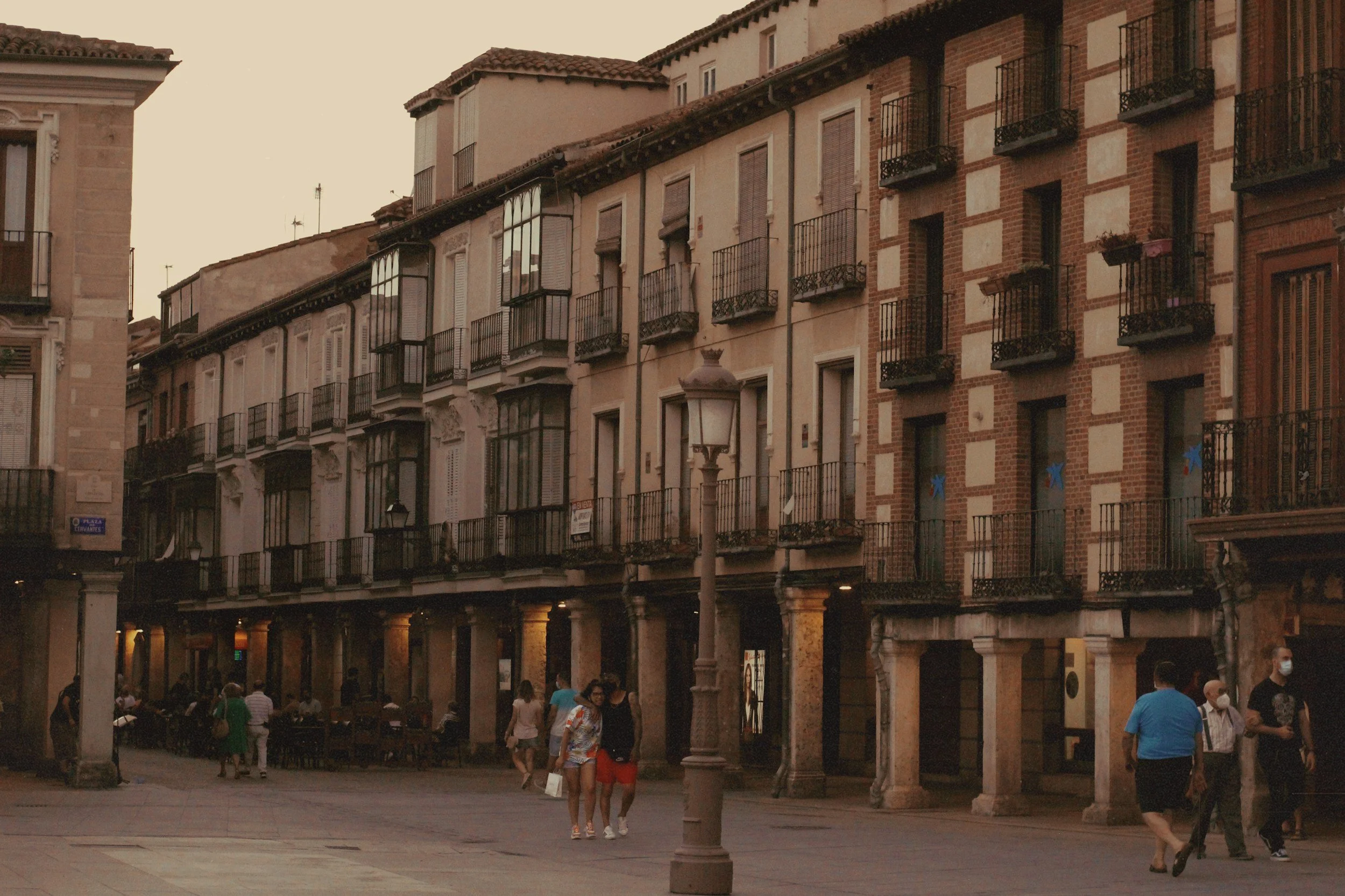
It asks you to slow down, to observe without immediately translating the experience into something else. To sit longer than planned. To notice what is not being said. In that stillness, perspective returns.
Alcalá is known for its university, one of the oldest in Spain, and students still fill its streets. Yet it does not feel like a college town in the expected sense. It feels lived in, local, and continuous, as if life here is not arranged for visitors but simply unfolding on its own.
Days begin without structure and end without urgency. Coffee becomes lunch, lunch extends into a walk, and a walk turns into sitting in a plaza, watching the light shift across facades that have been doing this for centuries. At some point, almost without noticing, you adjust to the rhythm.
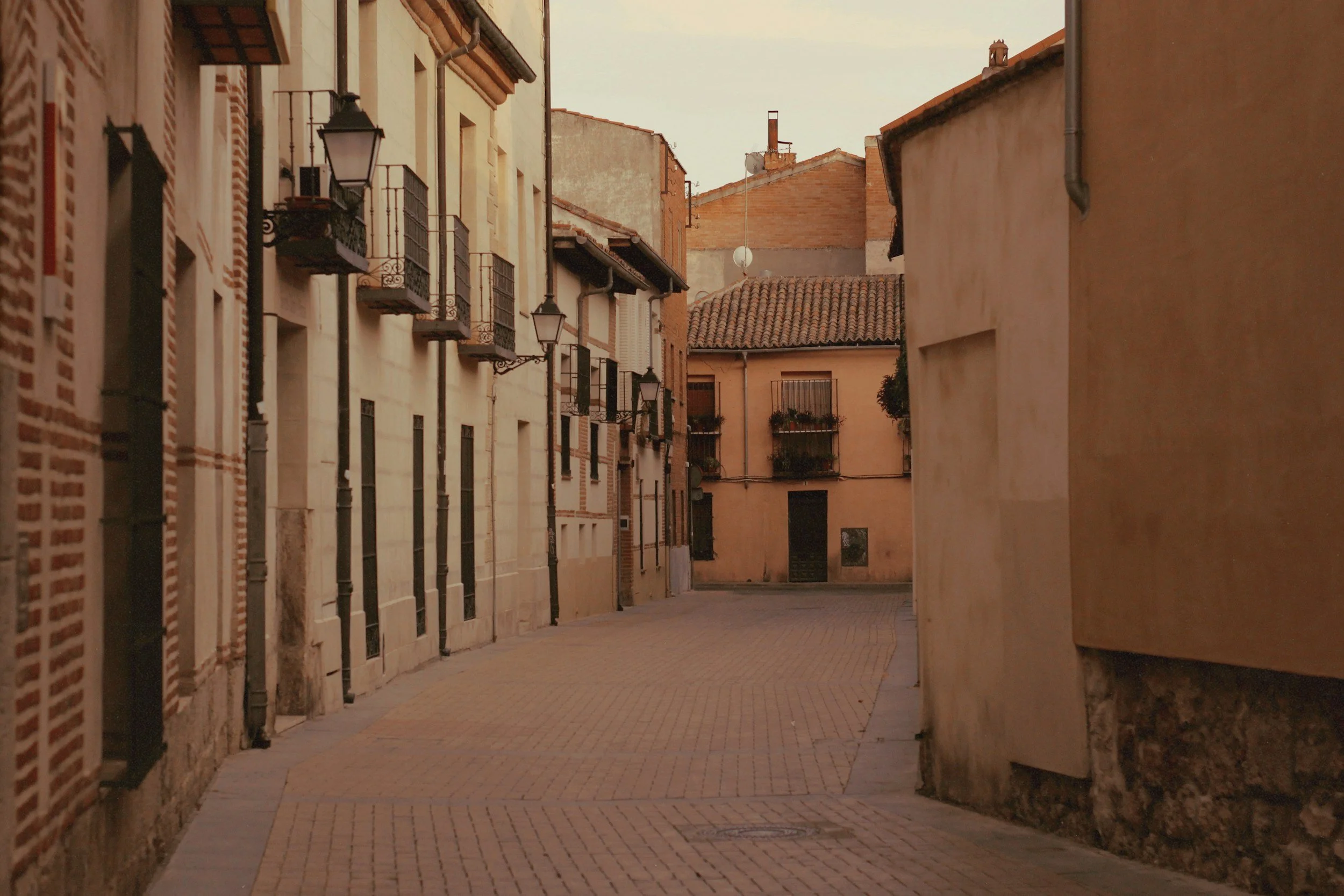
For travelers, Alcalá is often framed as a day trip, something to fit between larger destinations. But it resists that role. It is not a place designed to be completed.
Perhaps that is why the Premio Cervantes is held here. Writing, like cities, requires space to exist, and Alcalá offers that without needing to explain itself.
You do not leave Alcalá feeling like you have checked it off a list.
You leave with something quieter.
Perspective.