Fort Collins Atelier, Drawing Nationwide Talent
FASHION
Inside the Atelier
In Fort Collins, there’s a studio where the work is quiet, deliberate, and constant. Patterns are drafted by hand. Fabrics are studied before they’re cut. Nothing feels rushed. And that’s the point.
This is where fashion designer and industrial engineer Anabella Poletti builds her collections. But more recently, it’s also where she’s been building something else, an entry point.
Because nothing about her work exists in isolation.
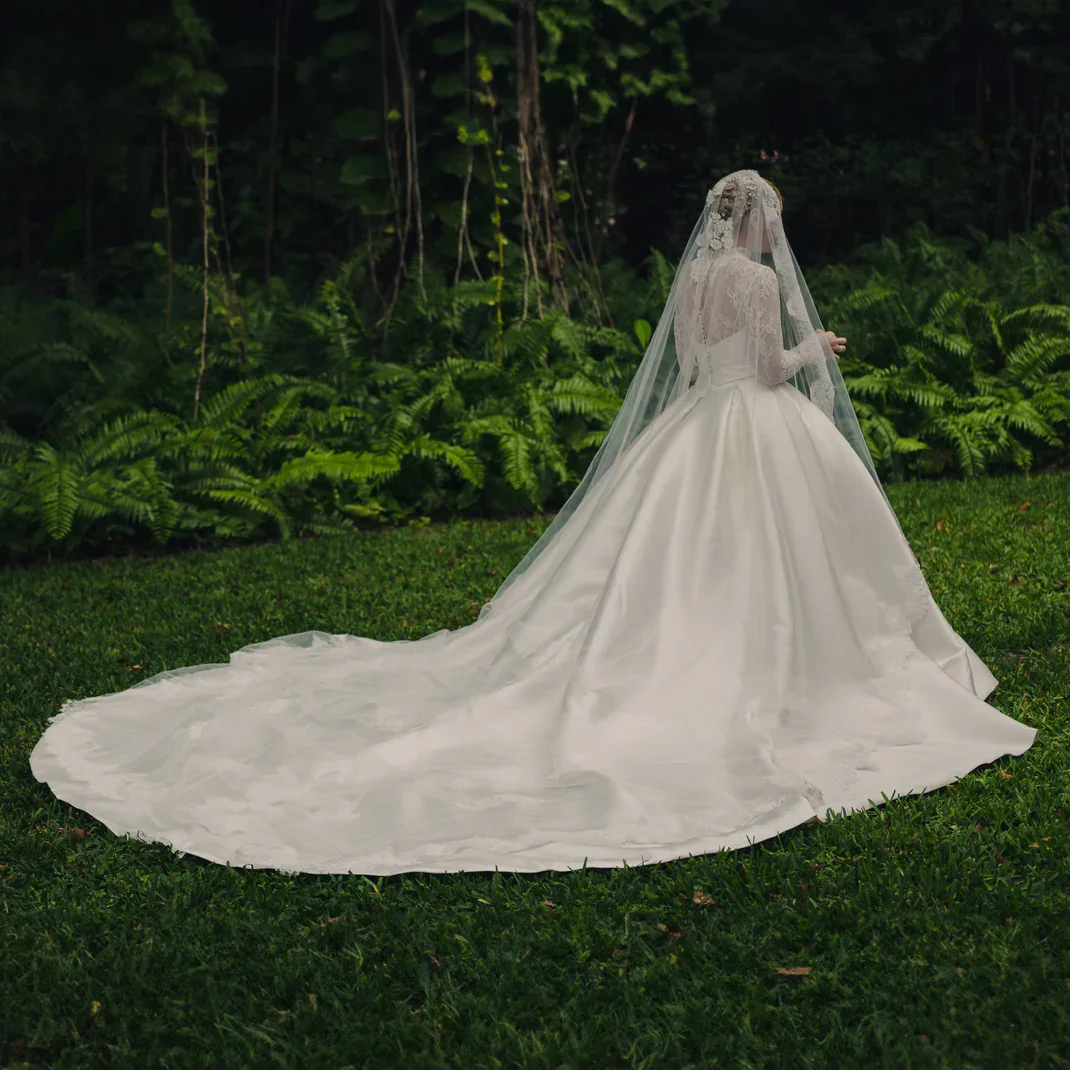
Every piece that leaves the atelier carries a trace of where she’s been. Her Venezuelan upbringing, shaped by Italian and Spanish heritage, and the American chapter where her work has taken its current form. It’s not something she announces. It shows up in how she constructs, edits, and refines, in the balance between structure and ease, in the restraint.
There’s a lineage to it, shaped by heritage, travel, and cultural influence, distilled into garments that feel considered, never forced.
That same philosophy now extends to the students she brings in.

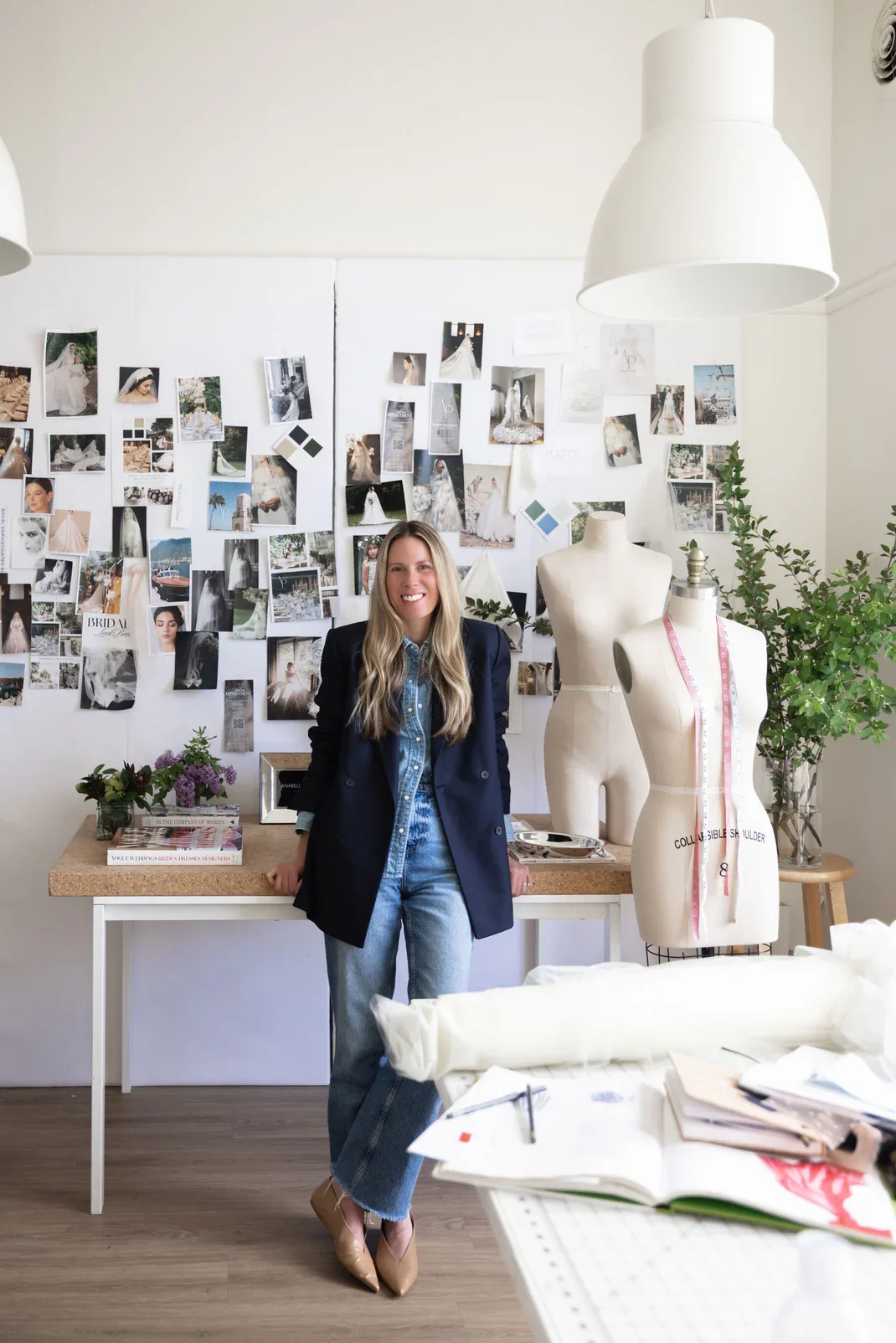
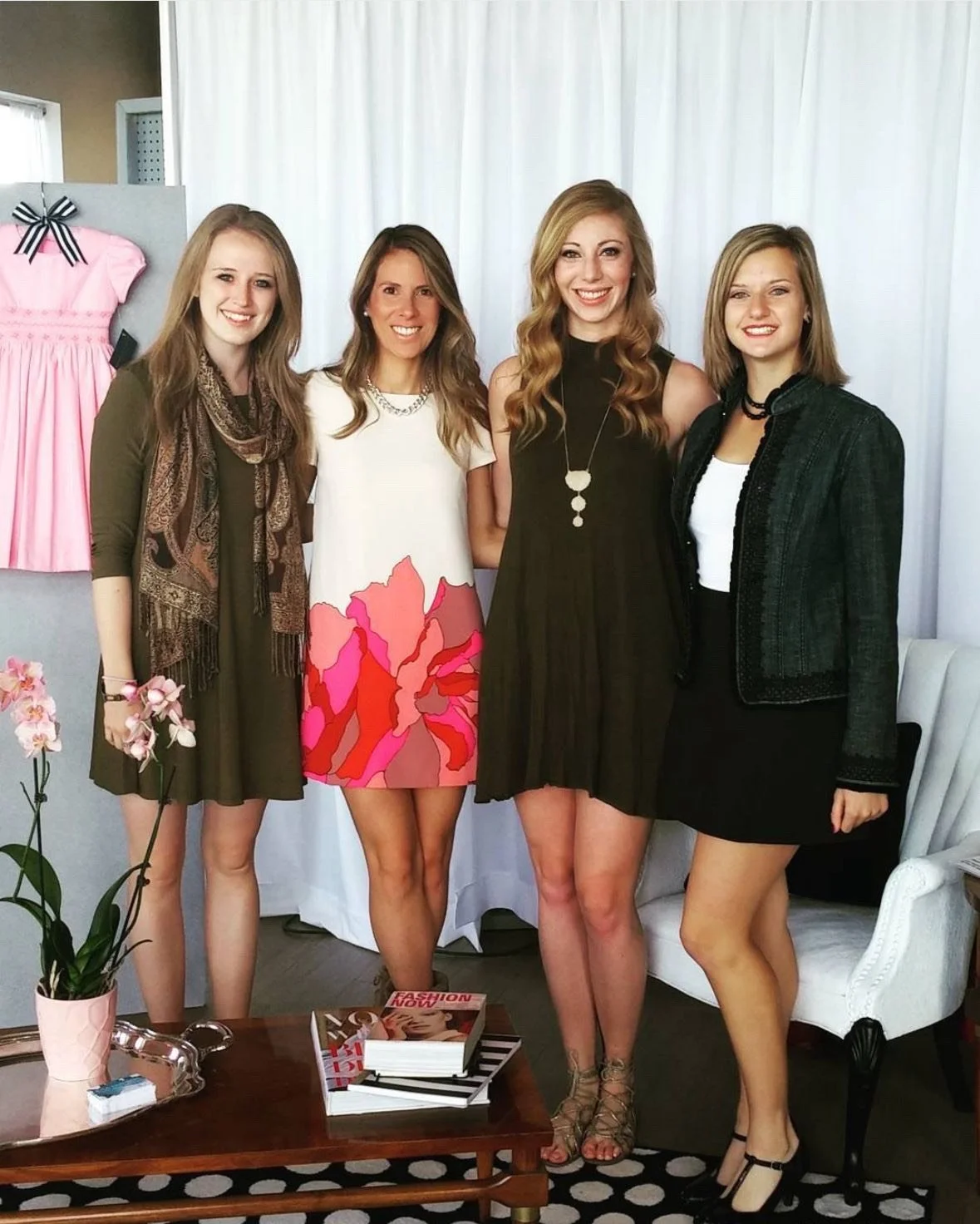
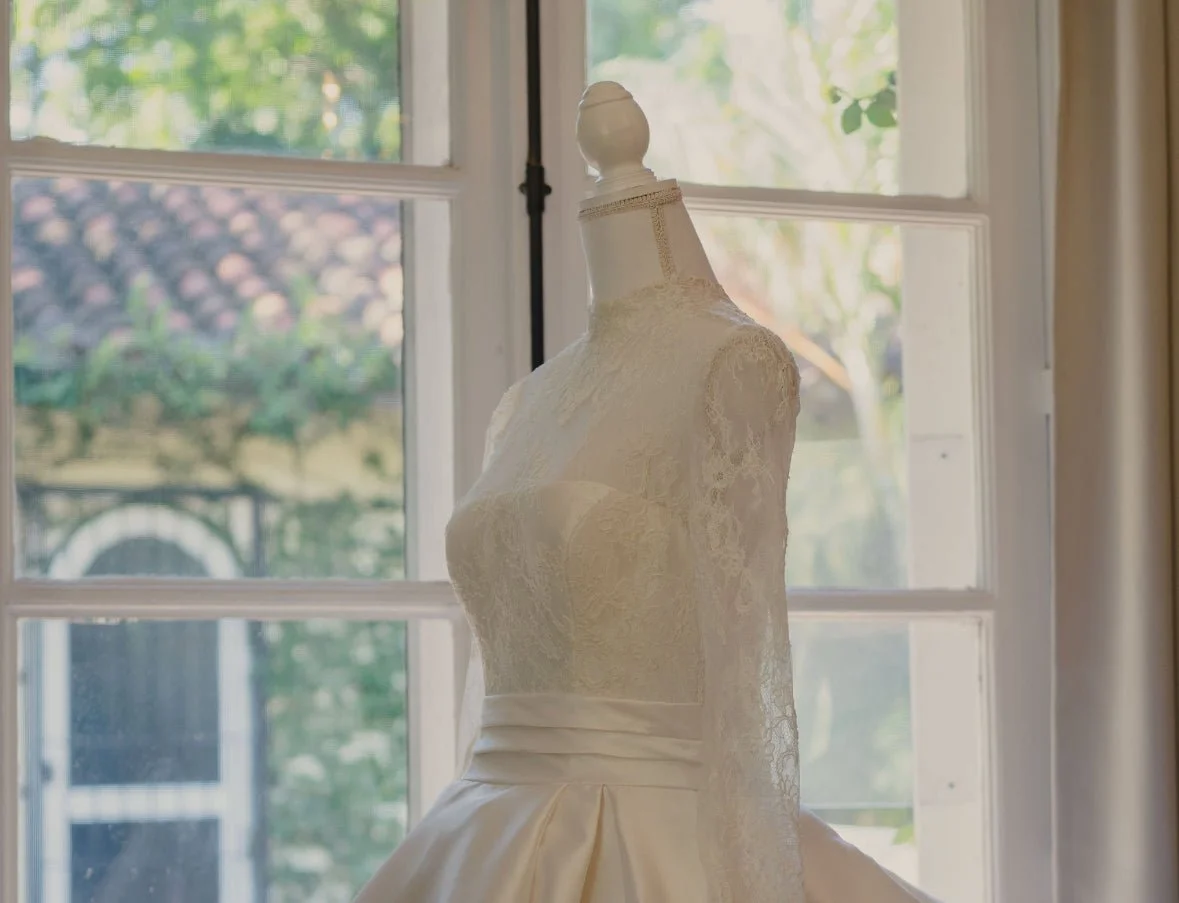
Her internship program at House of Poletti developed through her atelier and in collaboration with students from Colorado State University and beyond, doesn’t follow the usual script. There are no staged tasks or surface-level assignments. Students step into the rhythm of the work as it actually exists, observing, assisting, learning through repetition, and slowly earning trust.
Because in a space like this, design isn’t explained. It’s absorbed.
They begin to understand how a garment is not just constructed, but informed. How a silhouette can carry memory. How references, places lived, cultures experienced, techniques practiced, quietly shape the final form.
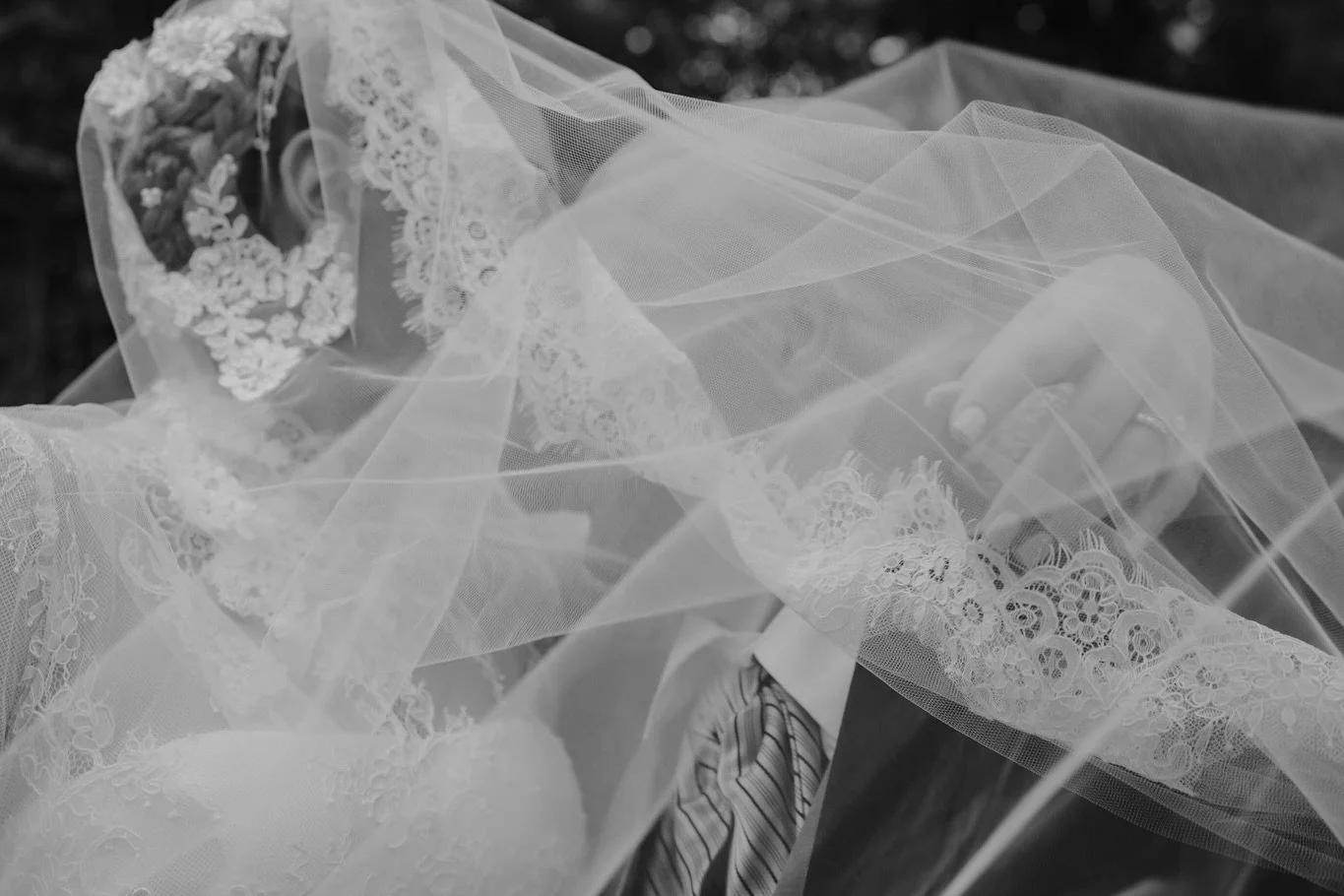
Poletti doesn’t separate her past from her process. It’s embedded in it.
And that’s what students are really stepping into.
Not just a studio, but a body of work in motion.
The students who come through, some from Colorado State University, others from across the country, arrive with different levels of experience and perspectives. What they share is curiosity, and the understanding that this isn’t about fast outcomes. It’s about learning how to see.
In an industry that often prioritizes speed and visibility, the atelier offers something else: time. Time to understand the process. Time to make mistakes. Time to develop a point of view before being asked to define one.
And in that time, something shifts.
What begins as observation turns into instinct. What feels foreign becomes familiar. And slowly, the work starts to carry pieces of them, too.
Poletti’s world may be rooted in Fort Collins, but it was never meant to stay contained.
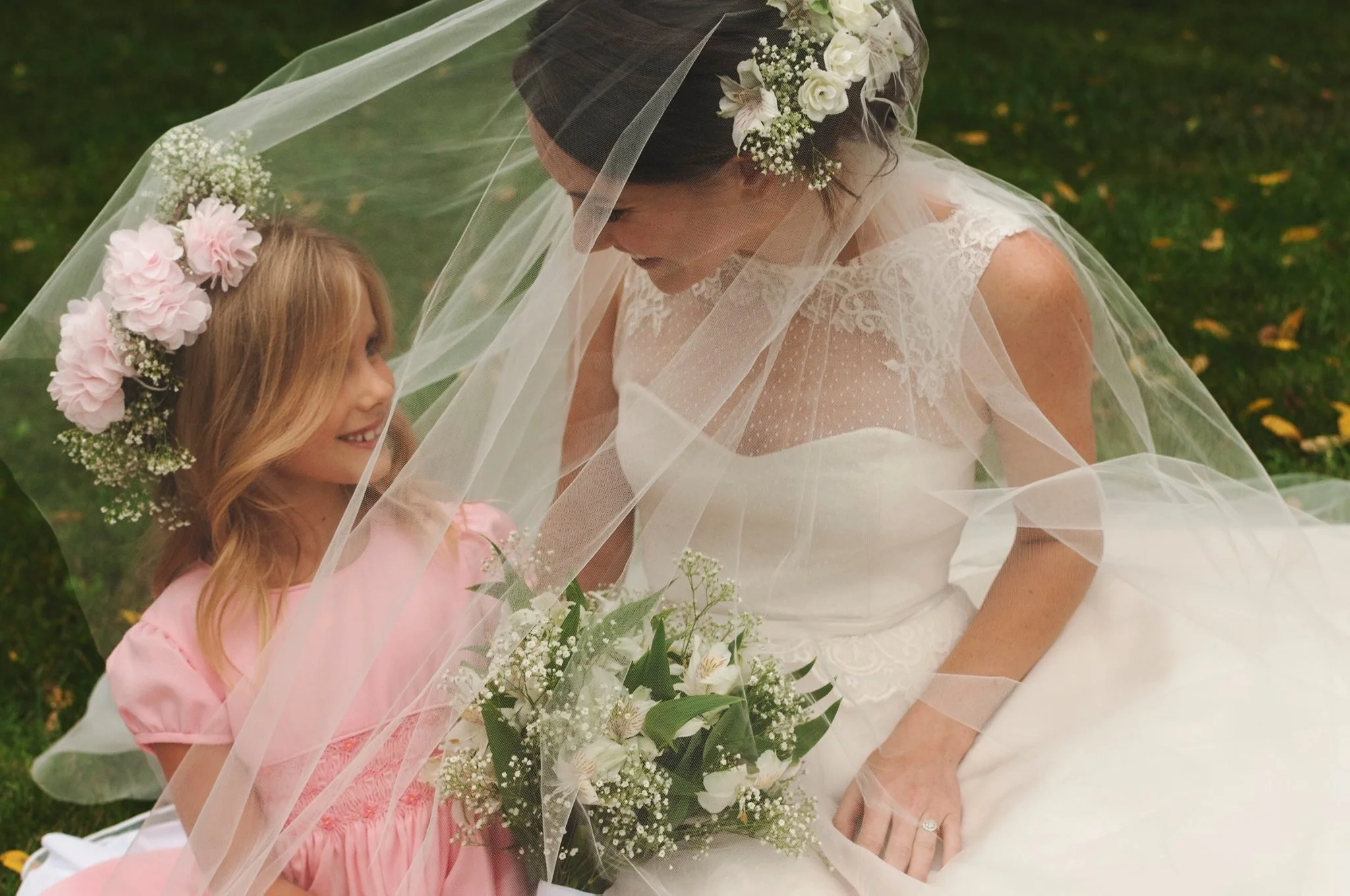
Much like her own path, shaped across borders, cultures, and chapters, her work moves. Her pieces are worn across the United States, throughout the Americas, and into Europe, carried by the people who find something of themselves in them.
And that same movement exists inside the atelier.
Because what’s built here doesn’t just reflect where she’s been. It evolves with who steps into it.
Just as she teaches, she listens. The students who come through don’t just learn the work, they shape it. Their perspectives bring color, energy, and new direction to a space that is constantly in motion.
Not everything has to scale to matter.
Sometimes, it just has to be carried forward, by more than one voice.